Source industrial black electrophoresis torque wrench and socket set for automotive repair, machinery maintenance, and assembly lines
Compare 30 listings for the industrial black electrophoresis torque wrench and socket set featuring varied finishes and specifications. Buyers can evaluate options from suppliers in Shandong and Zhejiang with different MOQs and warranty terms.
Key considerations
Products List
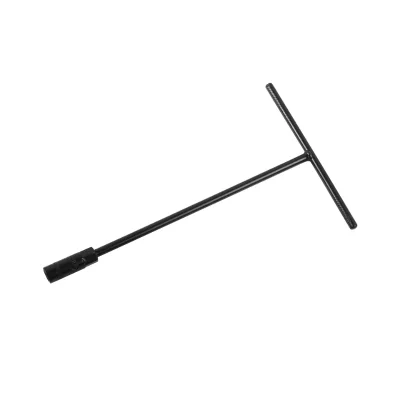

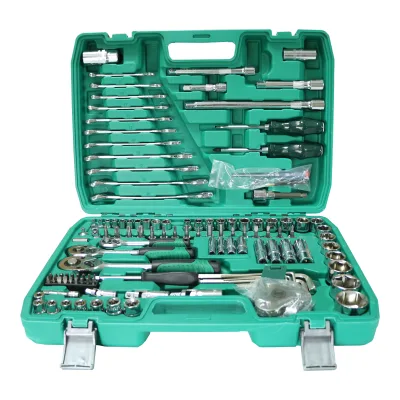


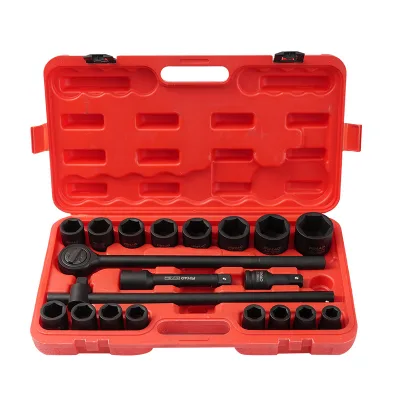
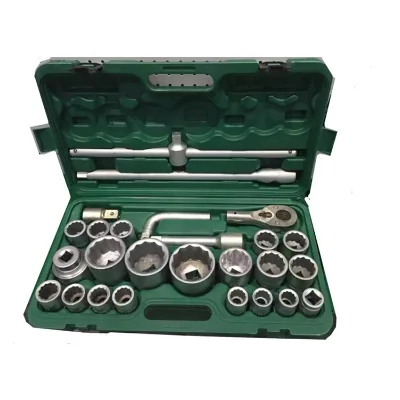
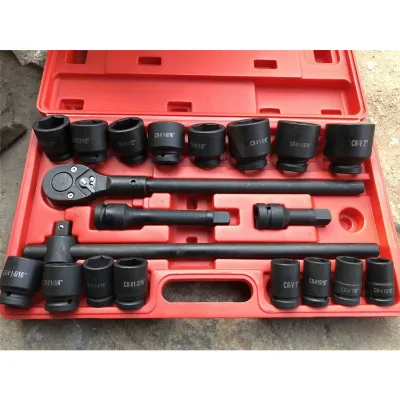


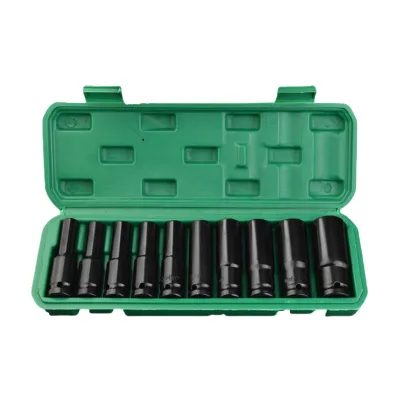
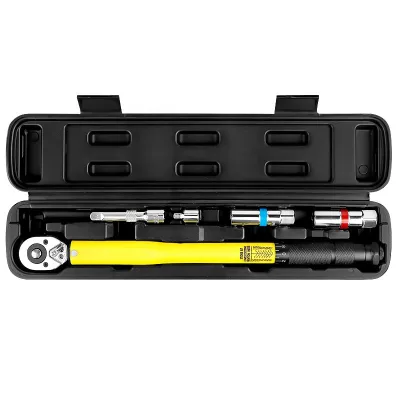


Comprehensive Sourcing Guide
Strategic Sourcing Guide for Industrial Black Electrophoresis Torque Wrench and Socket Sets
The procurement of industrial-grade torque wrenches and socket sets requires a nuanced understanding of manufacturing capabilities, material science, and supply chain reliability. When searching for tools described as "industrial black electrophoresis torque wrench and socket set," buyers must navigate a complex landscape of product attributes that often vary significantly between listings. The core keyword suggests a specific aesthetic and functional profile: a heavy-duty tool with a black oxide or electrophoresis finish, designed for high-precision industrial applications. However, the reality of the global marketplace reveals a wide spectrum of offerings, from simple manual spanners to complex, electrically powered torque systems. This guide provides a disciplined framework for evaluating these products based on verified attributes, ensuring that procurement decisions are grounded in factual evidence rather than marketing assertions.
Technical Specifications and Material Integrity
The foundation of any reliable torque wrench or socket set lies in its material composition and dimensional specifications. In the context of industrial sourcing, the material grade is a primary determinant of durability and performance. Verified data indicates that high-quality industrial tools in this category are frequently constructed from 45# Carbon Steel or 45# Carton Steel. These materials offer a balance of hardness and toughness essential for withstanding the high torsional forces applied during assembly and maintenance tasks. The "Industrial" grade classification further suggests that these tools are engineered to meet rigorous stress requirements, distinguishing them from consumer-grade hardware.
Surface treatment is another critical technical specification. The term "black electrophoresis" typically refers to a coating process that provides superior corrosion resistance and a uniform finish. Observed product attributes list various finishing options, including Black Oxide Coating, Nickel Coating, Powder Coated Coating, and Black Phosphate. While "electrophoresis" is a specific electrochemical deposition process, the presence of these related coatings indicates a commitment to surface protection. Buyers must verify that the specific finish applied matches the environmental demands of the application, as different coatings offer varying levels of resistance to moisture, chemicals, and abrasion.
Dimensional precision is equally vital. The measurement system for these tools is predominantly Imperial (Inch), which is standard for many industrial sectors, particularly in automotive and heavy machinery. Specific listings reference a wrench size of 8 mm, though the broader product range includes a variety of types such as Open End, Box End, Combination, and Socket Wrenches. The "Standard Size" designation implies adherence to established industry dimensions, ensuring compatibility with standard fasteners. However, the "Thickness: Not Rated" attribute found in some listings serves as a cautionary note; buyers should not assume a specific thickness profile without explicit verification from the manufacturer, as this directly impacts the tool's resistance to bending or breaking under load.
Functional Versatility and Operational Parameters
The functional scope of industrial torque tools extends beyond simple mechanical fastening. The product attributes reveal a diverse range of operational capabilities, from manual "Straight bar" styles to "Semiautomatic" and even electrically powered units. Some listings describe the product as a "Multi Fuction Tool" or "Adjustable Wrench Spanner," indicating versatility in handling various fastener types. In contrast, other data points highlight specific electric specifications, such as a Rated Voltage of 48V, Power Supply Voltage of 220V, and a Rated Input Power of 750W. These figures suggest the existence of automated or powered torque systems that utilize a Coreless Motor and PLC (Programmable Logic Controller) components.
This divergence in functionality necessitates a clear definition of the buyer's operational needs. If the requirement is for manual assembly in a workshop, a standard mechanical wrench with a "High-Quality" rating and a "3 Years" warranty is likely sufficient. Conversely, if the application involves high-volume production lines requiring consistent torque application, a powered unit with a "Precision" rating of 5% and a "Video Outgoing-Inspection" capability becomes a more appropriate choice. The "Automation: Semiautomatic" attribute further complicates the landscape, suggesting that some tools may require operator intervention while others offer varying degrees of autonomous operation.
The "Style" of the tool also plays a role in its application. While some products are marketed as "Precision Screwdriver" tools, others are classified broadly as "Wrench Set" or "Torque Wrench." The "Type" attribute lists a comprehensive array of options, including HEX KEY, Ratchet Handle Wrench, and Torque Wrench. This variety underscores the importance of matching the specific tool type to the fastener geometry and the required torque value. For instance, a "Socket Wrench" might be preferred for confined spaces, while a "Torque Wrench" is essential for applications requiring precise tension control to prevent fastener failure.
Compliance, Certification, and Quality Assurance
In the realm of industrial procurement, compliance and quality assurance are non-negotiable. The provided data points indicate that suppliers offer "OEM, ODM, OBM" customized support, allowing buyers to tailor products to specific branding or technical requirements. However, the absence of explicit certification names in the source text means that buyers must independently verify compliance with relevant international standards. The "Quality: High-Quality" attribute is a general observation and should not be taken as a substitute for third-party certification.
Buyers should request documentation confirming adherence to standards such as ISO 9001 for quality management systems or specific tool standards like ISO 6789 for hand torque tools. The "Video Outgoing-Inspection" feature mentioned in the data is a valuable quality control mechanism, allowing buyers to visually verify the production process and final product condition before shipment. This transparency can significantly reduce the risk of receiving substandard goods.
Furthermore, the "Warranty" terms vary, with some listings offering 3 Years and others 1 Year. This discrepancy highlights the need for careful contract negotiation. A longer warranty period often reflects the manufacturer's confidence in their product's durability and their commitment to after-sales support. The "Condition: New" attribute confirms that the products are not refurbished, but buyers should still verify the packaging integrity, as the "Packing: Carton" or "Box" may vary in quality. The "Single gross weight" of 0.0 kg listed in some attributes is likely a data entry error or refers to a specific component, and should be cross-referenced with the actual shipping weight to ensure accurate logistics planning.
Cost Drivers and Procurement Economics
Understanding the cost drivers for industrial torque wrenches and socket sets is essential for effective budget management. The observed price range in the market spans from $0.4 to $3,395 USD, a vast disparity that reflects differences in complexity, material quality, and automation level. The lower end of the spectrum likely corresponds to basic manual tools or individual components, while the higher end encompasses sophisticated electric torque systems with advanced control features.
The Minimum Order Quantity (MOQ) is another significant economic factor. The observed MOQ range is 1 to 3,600 units, with specific listings citing MOQs of 500 Sets or 3,600 units. High MOQs are typical for custom manufacturing or bulk industrial orders, which can help reduce the unit cost but require significant capital investment. Buyers with smaller volume needs must navigate the market carefully, as some suppliers may not accommodate low-volume orders or may charge a premium for small batches.
The "Selling Units: Single item" attribute suggests that some suppliers offer flexibility for trial orders or small-scale procurement. However, the "Customized: Non-Customized" flag in some listings indicates that certain products are standard stock items, which may limit the ability to tailor specifications. Buyers seeking customization must engage with suppliers offering OEM/ODM services, understanding that this will likely increase the unit cost and lead time. The "Marketing Type: Ordinary Product" designation implies that many items are commoditized, suggesting that price competition may be fierce, but differentiation through quality and service remains crucial.
Supplier Evaluation and Geographic Considerations
Supplier evaluation requires a holistic approach that considers geographic origin, production capacity, and reputation. The data indicates that products originate from key manufacturing hubs in China, specifically Shandong and Zhejiang provinces. These regions are known for their robust metalworking and tool manufacturing industries, offering a wide range of suppliers with varying levels of expertise. The "Place of Origin: Shandong, China" and "Prod Origin: Zhejiang, China" attributes confirm the geographic concentration of this supply chain.
When evaluating suppliers, buyers should look beyond the "Brand Name" (e.g., DC, Huanchen) and assess the supplier's overall capability. The ability to provide "Video Outgoing-Inspection" is a strong indicator of a supplier's transparency and confidence in their quality control processes. Additionally, the "Applicable Industries" listed, such as Retail, Industry, Medical, and Other, suggest that the tools are versatile and can be adapted to various sectors. However, buyers must verify that the supplier has specific experience in their target industry, as the requirements for medical-grade tools differ significantly from those for general industrial use.
The "Single volume: 0 cm³" and "Single gross weight: 0.0 kg" attributes found in some listings are likely data anomalies and should be treated with skepticism. Buyers should insist on accurate volumetric and weight data for logistics planning and cost estimation. The "Packaging: Hard Case" or "Box" options also impact the final cost and protection of the tools during transit. A robust packaging solution is essential for preventing damage, especially for precision instruments that may be sensitive to shock and vibration.
Long-Term Procurement and Maintenance Strategy
Sourcing industrial tools is not a one-time transaction but a long-term partnership that requires strategic planning. The "Warranty: 3 Years" or "1 Year" terms are critical components of this strategy, providing a safety net against premature failure. Buyers should prioritize suppliers who offer comprehensive warranty coverage and responsive after-sales support. The "Function: Household, Professional" attribute indicates that some tools are dual-purpose, but for industrial applications, professional-grade tools with higher durability and precision are recommended.
Maintenance and calibration are also key considerations. Tools with a "Precision: 5%" rating require regular calibration to ensure they remain within acceptable tolerances. Buyers should establish a maintenance schedule that includes periodic inspection and recalibration, especially for electric torque systems with "Core Components" like PLCs and Gearboxes. The "Condition: New" status ensures that tools start with optimal performance, but the longevity of the tool depends on proper usage and care.
Finally, the "Customized support: OEM, ODM, OBM" options allow for long-term adaptation to changing needs. As industrial processes evolve, the ability to modify tool specifications or branding can provide a competitive advantage. Buyers should maintain open communication with suppliers to explore opportunities for customization and continuous improvement. By focusing on these long-term considerations, organizations can build a resilient supply chain that supports their operational goals and ensures the reliability of their critical tools.
FAQs
What materials are used for industrial black electrophoresis torque wrench and socket set?
These tools are constructed from 45# Carbon Steel or 45# Carton Steel to ensure high durability. The Industrial grade classification guarantees they meet rigorous stress requirements for heavy-duty applications.
Which surface finishes are available for the industrial black electrophoresis torque wrench and socket set?
Available finishes include Black Oxide Coating, Nickel Coating, Powder Coated Coating, and Black Phosphate. These options provide superior corrosion resistance and a uniform aesthetic for various industrial environments.
Can I find torque wrenches with specific warranty periods for industrial use?
Yes, warranty terms vary between 1 Year and 3 Years depending on the specific product listing. A longer warranty period often reflects the manufacturer's confidence in the tool's durability and after-sales support.
What is the minimum order quantity for purchasing industrial black electrophoresis torque wrench and socket set?
Minimum order quantities range from 1 to 3600 units, with specific listings requiring 500 Sets or 3600 units. High MOQs are typical for custom manufacturing, while single item sales are available for smaller trials.
How does the automation level affect the industrial black electrophoresis torque wrench and socket set?
Options range from manual straight bar styles to semiautomatic and electrically powered units with coreless motors. Powered systems often include PLC components and offer precision ratings of 5% for high-volume production lines.
Which countries manufacture industrial black electrophoresis torque wrench and socket set?
Products originate from key manufacturing hubs in China, specifically Shandong and Zhejiang provinces. These regions are known for robust metalworking industries offering a wide range of suppliers with varying expertise.